Bali Heritage Project

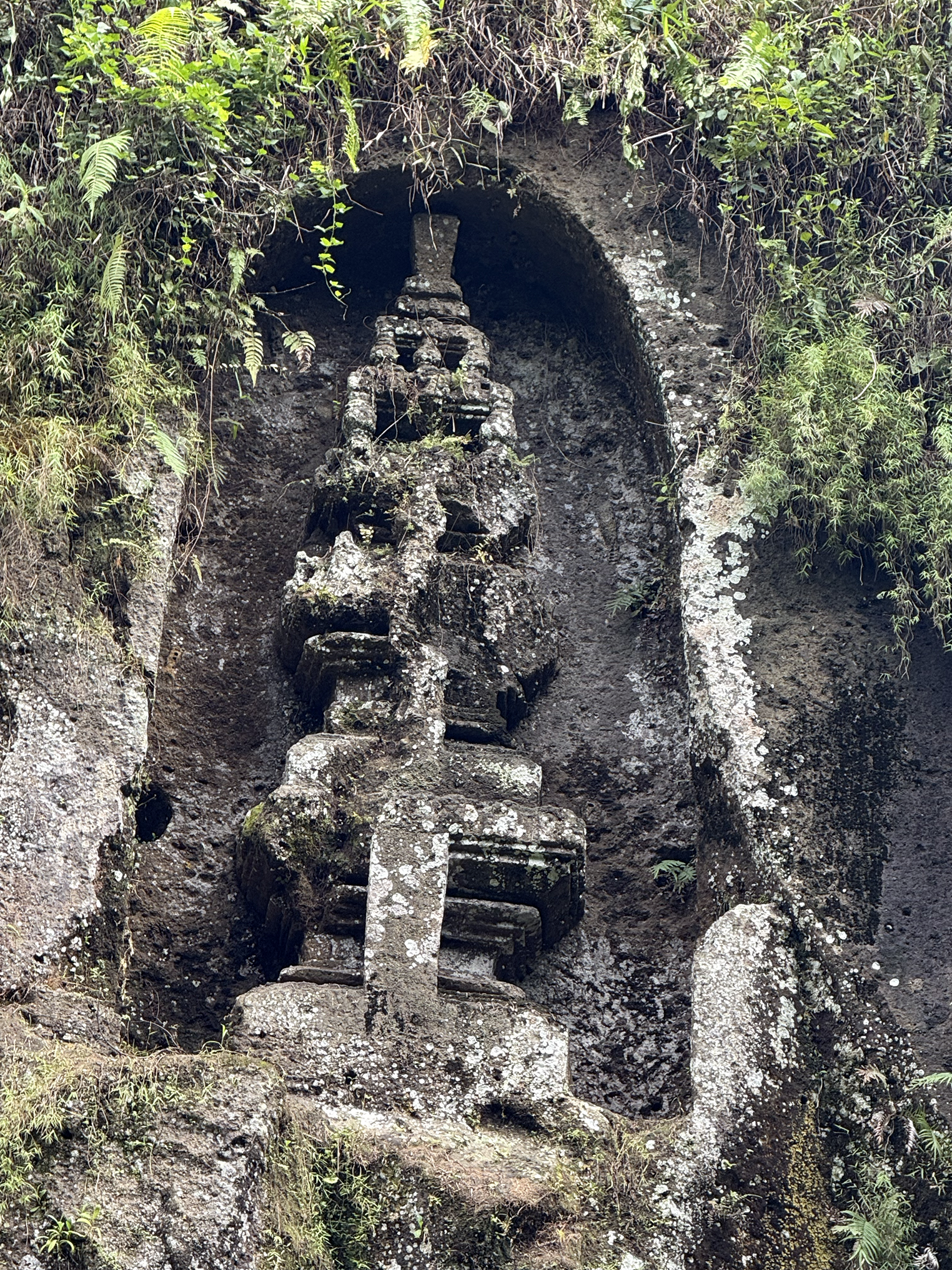
Carved into the volcanic rock of a river gorge in Ubud, Bali, ancient shrines stand watch over sacred waters—overgrown, partially hidden, and at risk of being lost to time.
What stories do these carvings tell?
Who carved them, and why?
The answers may lie behind the dense brush that currently obscures much of the cliffside from view.
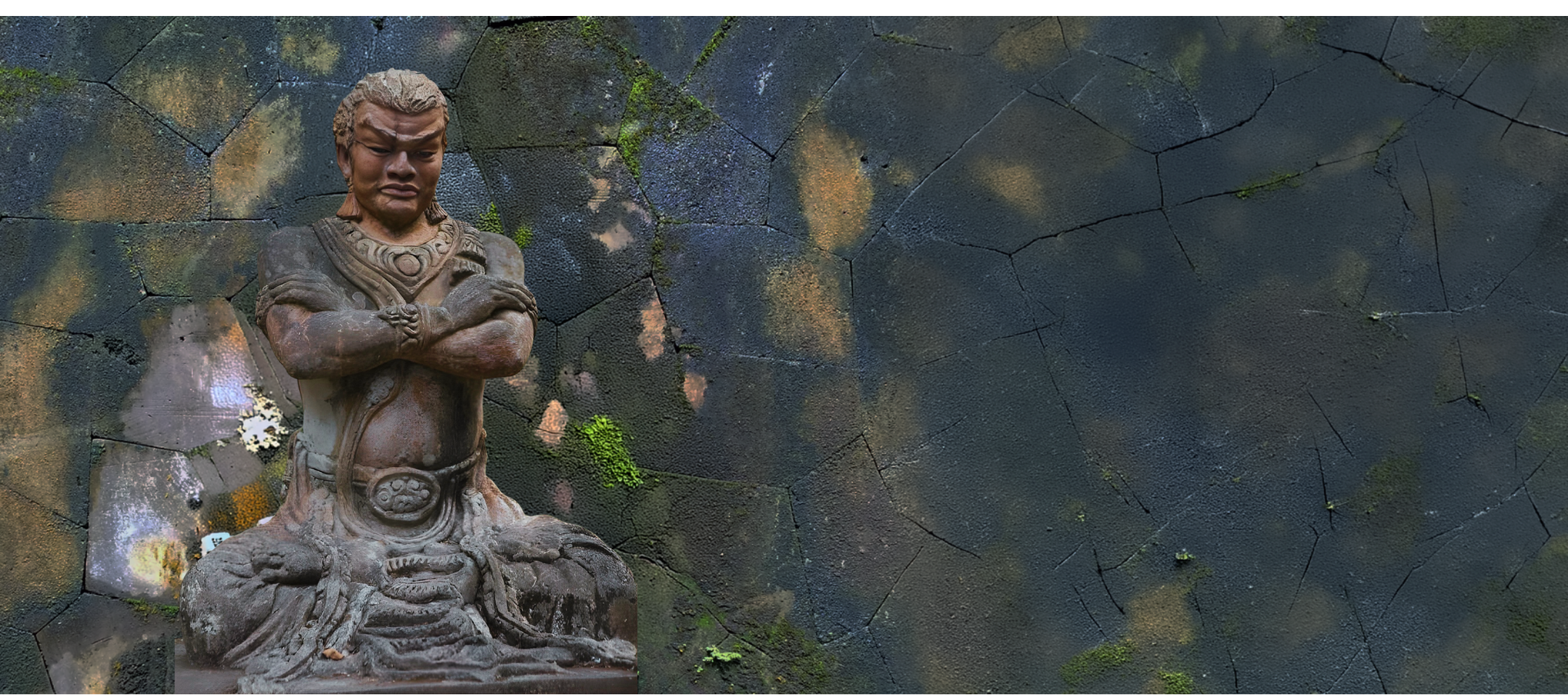
Local legend holds that the warrior-giant Kebo Iwa carved those intricate reliefs with his fingernails in a single night.
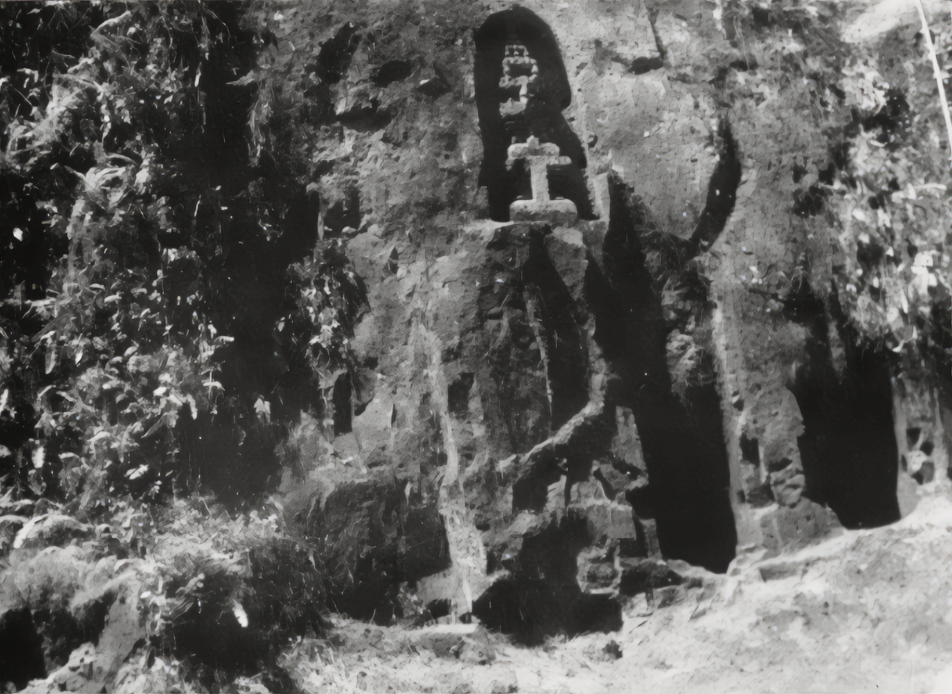
These ancient carvings, cut directly into the cliffside above the flowing river, bear striking resemblance to the famed rock-cut candi (shrines) at Gunung Kawi Tampaksiring, an 11th-century royal funerary complex where ten towering monuments honor King Anak Wungsu and his dynasty.
But unlike Gunung Kawi—now a UNESCO-recognized heritage site visited by thousands—this Ubud gorge site remains largely undocumented.
Meditation caves, also hewn into the rock, hint at the site's spiritual significance—though they are not currently accessible.

This is not an abandoned ruin. The local Balinese community continues to gather here for bathing, ceremony, and connection to the sacred waters below.
In Balinese Hinduism—known as Agama Tirtha, the "religion of holy water"—river gorges hold profound spiritual significance.
Sacred water (tirtha or air suci) is understood as a bridge between the physical and spiritual worlds: a medium for purification, healing, fertility, and divine blessing.

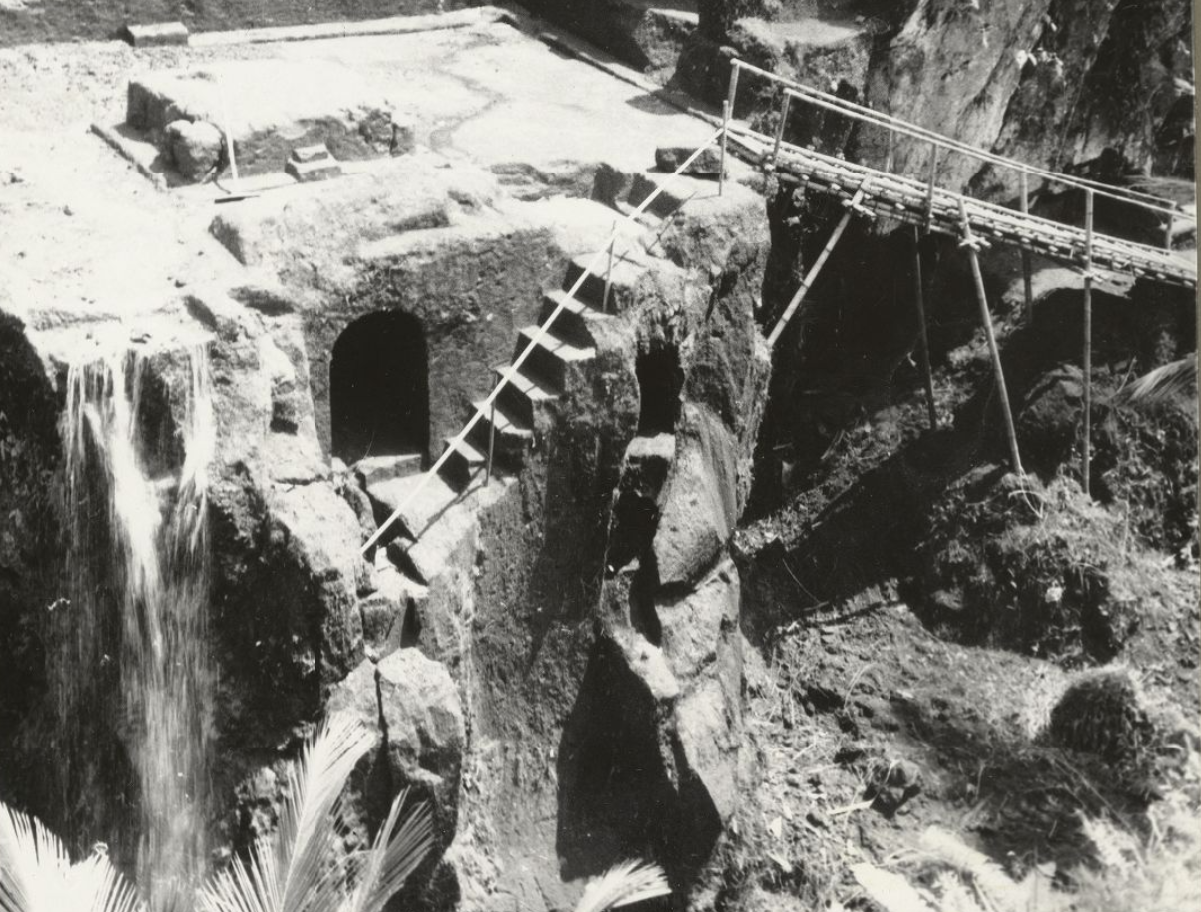
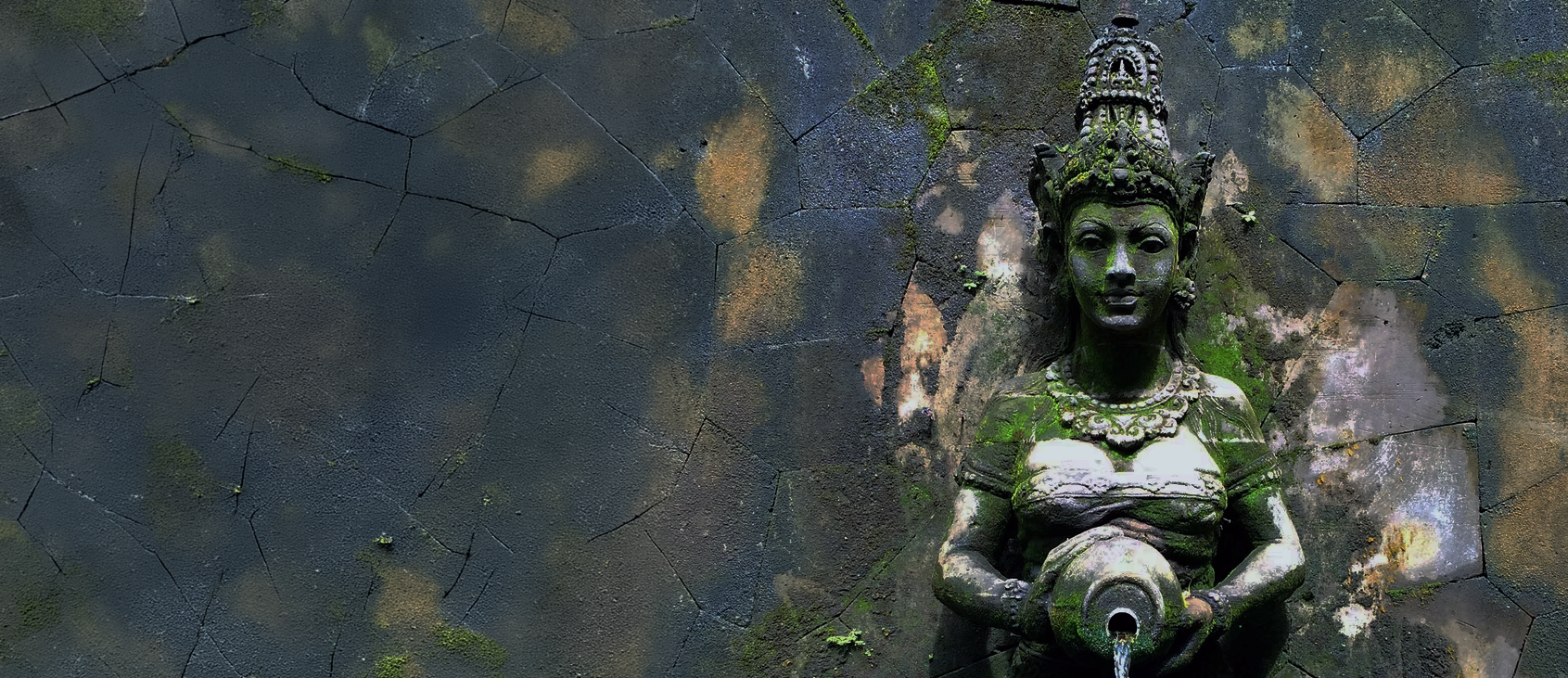

Water flows from the mountains (considered sacred) to the sea (considered impure), and the spirits who govern these waters—goddesses like Dewi Danu—protect the balance between realms. The island's entire agricultural system, the ancient subak rice terrace irrigation, is organized around water temples that honor these spirits.
At sites like this gorge, the melukat purification ritual cleanses body, mind, and soul of negative energy. While Balinese priests are the ones who perform the ceremony, Balinese women serve the important roles of preparing the intricate daily offerings (canang sari), leading prayers, and guiding participants through the sacred process. Through their devotion, they ensure the continuation of traditions stretching back centuries.