
The White Tigress
The Secret Taoist Tradition of Female Sexual Alchemy
Hidden in the mountains of China, passed from woman to woman for three thousand years, guarded more carefully than any imperial treasure.
The White Tigress tradition.
Who They Were
These were women who chose not to marry. Not to bear children. Not to give their jing to the conventional path of motherhood and domestic life—which, in Taoist understanding, slowly depletes feminine essence over years of pregnancy, nursing, and caretaking.
Instead, they cultivated it.
They practiced techniques to restore their youthfulness—facial massage, breast practices, womb breathing, internal exercises that would make a modern pelvic floor therapist weep with joy.
They learned to absorb yang energy from male partners without losing their own essence—taking in the man's vitality during sexual practice and using it to fuel their own transformation.
What They Claimed
The texts claim White Tigresses could reverse visible aging. Could restore their menstrual cycles after menopause. Could develop luminous skin, magnetic presence, and dramatically extended lifespans.
Extraordinary claims? Perhaps.
But consider what they represent: a tradition of female sexual sovereignty that predates feminism by millennia. Women who refused to give their life force to the patriarchal economy of marriage and reproduction—who instead turned that power inward for their own evolution.
What They Were Not
They were not courtesans serving men.
They were alchemists—using male energy as an ingredient in their own transformation, not as the purpose of their practice. The bedroom was their laboratory. The body was their crucible. Pleasure was the raw material they refined into power.
The man, ideally, was also practicing—learning his own cultivation techniques, benefiting from the exchange. But make no mistake: the White Tigress was not there to serve his journey. She was on her own path. He was simply... useful.
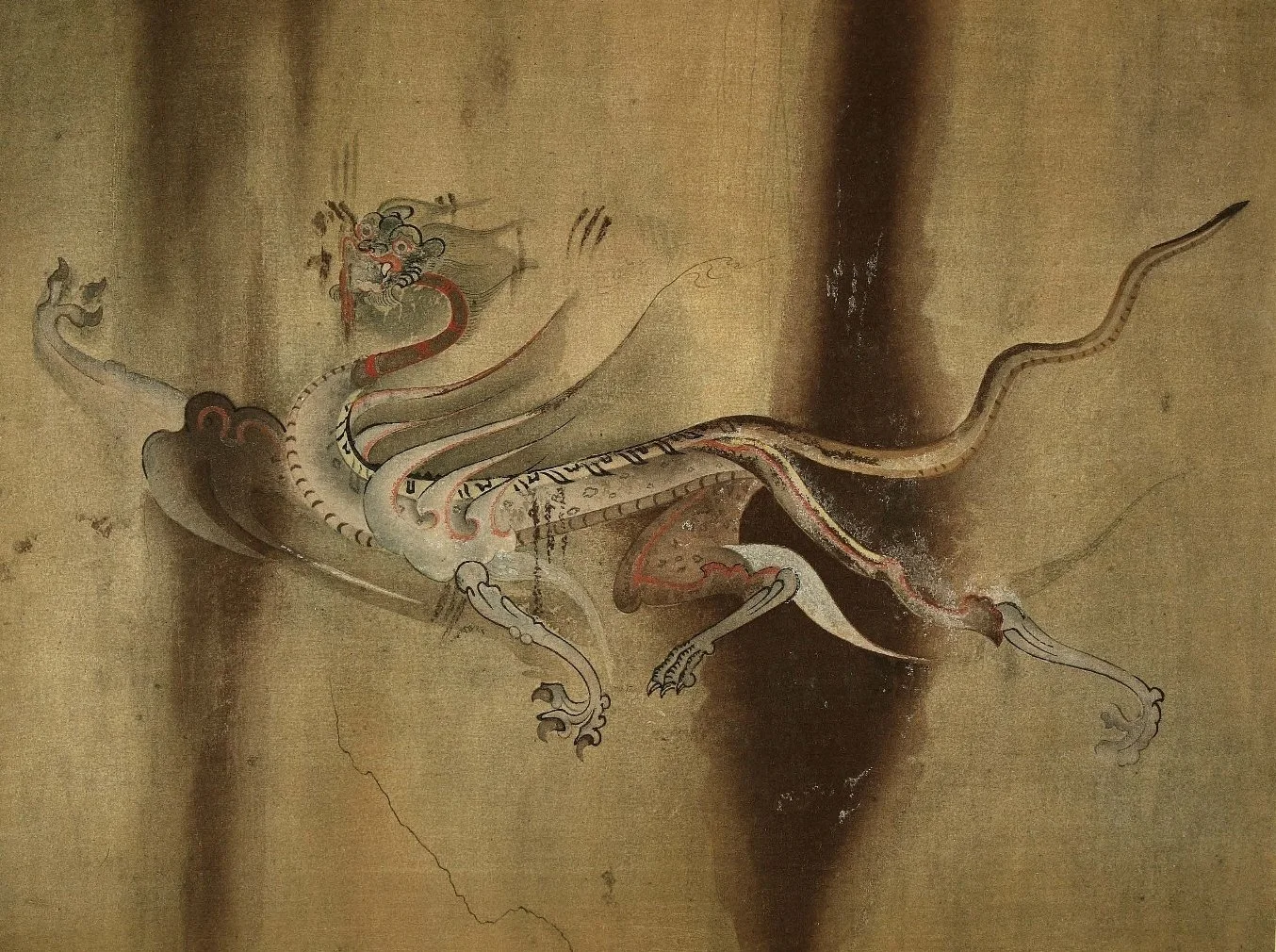
The "Green Dragons" and "Jade Dragons" referred to powerful, auspicious male counterpartners, often representing strength, nature, and potent yang energy, contrasting with or complementing the feminine, spiritual, and disciplined energy embodied by the White Tigress , making them powerful allies, lovers, or spiritual partners in achieving balance, as the dragons embody potent masculine/cosmic power and the Tigress embodies cultivated feminine power.
The Suppression
The tradition was suppressed. Called dangerous. Immoral. Unfeminine.
Of course it was.
Any practice that gives women autonomous power over their own bodies and their own pleasure has always been threatening to systems that require women's submission. A woman who doesn't need a man for financial security, social standing, or even sexual satisfaction? A woman who uses men when she chooses to, for her own purposes, and walks away nourished rather than depleted?
That woman is dangerous. To patriarchy. To systems of control. To any arrangement that depends on feminine dependence.
So the tradition was driven underground. Passed in whispers. Protected by secrecy.
The Survival
The tigress survives through millennia of suppression, through the burning of texts, through the mockery and dismissal—she prowls still in the mountains, in the margins, in the bodies of women who sense that there is more to their sexuality than they were told.
In our modern age, she is teaching again.
As a practice to be lived. As a reminder that women's sexuality was never meant to be passive, never meant to be purely in service to others, never meant to be a resource extracted rather than a power cultivated.
The bedroom can be a laboratory. The body can be a crucible. Pleasure can be medicine.
You don't need to ask anyone's permission to experiment.
Sex lab, anyone?
🐅 ☯ 🐅
Sources & Further Reading
Lai, Hsi. The Sexual Teachings of the White Tigress: Secrets of the Female Taoist Masters. Destiny Books, 2001.
Lai, Hsi. The Sexual Teachings of the Jade Dragon: Taoist Methods for Male Sexual Revitalization. Destiny Books, 2002.
Wile, Douglas. Art of the Bedchamber. SUNY Press, 1992.
